
Food Processing Machines Every Growing Food Business Should Know

As a food business expands, production demands increase, making manual processes harder to manage. Investing in the right food processing equipment can improve consistency, boost productivity, and reduce labor costs while maintaining high-quality products. Whether you’re producing baked goods, snacks, dairy products, or packaged foods, selecting the right machinery is an important step toward sustainable growth. Understanding the role of different food processing machines allows businesses to streamline operations and stay competitive in an increasingly demanding market.
Mixing and Preparation Equipment Builds a Strong Foundation
Every successful food production line begins with accurate preparation. Commercial mixers, blenders, and ingredient handling systems ensure recipes remain consistent from one batch to the next. Uniform mixing improves product quality while reducing waste caused by uneven ingredient distribution. For bakeries and confectionery manufacturers, specialized machinery such as Apex biscuit sandwiching equipment helps automate filling and assembly, allowing businesses to produce high volumes while maintaining precise product consistency. Investing in reliable preparation equipment creates a smoother workflow throughout the entire production process.
Cooking and Heat Processing Equipment Ensures Product Quality
Cooking equipment plays a major role in food safety, flavor development, and texture. Industrial ovens, fryers, steam cookers, kettles, and pasteurization systems are designed to process large quantities of food while maintaining consistent temperatures. Modern machines often include programmable controls that help operators monitor cooking times and temperatures with greater accuracy. This level of precision improves product quality while helping manufacturers comply with food safety standards and regulatory requirements.
Cutting, Slicing, and Portioning Machines Improve Efficiency
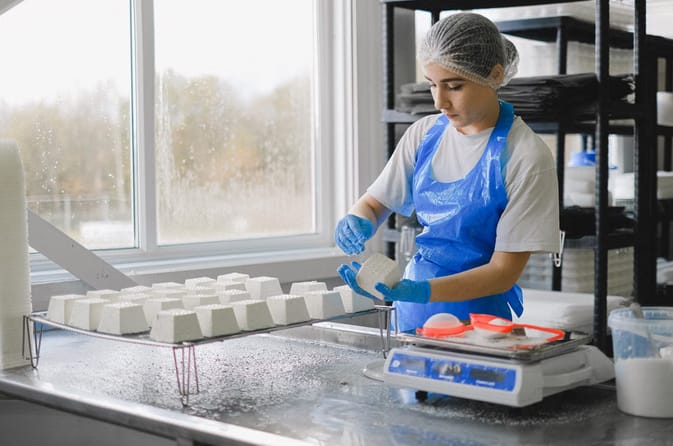
Once ingredients have been prepared, precision cutting and portioning equipment helps create products with consistent size and appearance. Automated slicers, dicers, and portioning systems reduce manual labor while increasing production speed. Consistent portions not only improve product presentation but also help control ingredient costs and minimize waste. Businesses producing meats, vegetables, cheeses, baked goods, or ready-made meals benefit significantly from machines that deliver accurate, repeatable results every time.
Packaging Machines Increase Productivity
Efficient packaging protects products while extending shelf life and improving presentation. Automated filling machines, vacuum sealers, labeling equipment, and wrapping systems significantly reduce the time required to package finished products. Consistent packaging also strengthens brand image by giving products a professional appearance on store shelves. As production volumes grow, automated packaging equipment becomes one of the most valuable investments because it minimizes bottlenecks and supports faster order fulfillment.
Quality Control and Inspection Systems Protect Your Reputation

Maintaining consistent quality is essential for customer satisfaction and regulatory compliance. Inspection equipment such as metal detectors, checkweighers, vision inspection systems, and X-ray machines helps identify defects before products leave the production facility. These technologies reduce the risk of costly recalls while ensuring every item meets established quality standards. Strong quality control procedures also build customer confidence and support long-term business growth in competitive markets.
Automation Helps Businesses Scale With Confidence
Automation is transforming food manufacturing by connecting multiple machines into integrated production lines. Modern control systems allow manufacturers to monitor performance, track production data, and identify maintenance needs before problems occur. Automated workflows reduce human error while improving efficiency across every stage of production. As demand increases, businesses with scalable automated systems are better equipped to meet larger orders without sacrificing consistency or product quality.
Growing a food business requires more than increasing production capacity—it requires investing in equipment that improves efficiency, consistency, and product quality. From preparation and processing to packaging and quality control, every machine plays an important role in creating a reliable manufacturing operation. By selecting equipment that aligns with your production goals and future expansion plans, your business can increase productivity, maintain high standards, and build a stronger foundation for long-term success.